
Understanding gambling basics for beginners a comprehensive guide
What is Gambling?
Gambling is the act of placing a wager on an event with an uncertain outcome, often with the primary intent of winning additional money or material goods. This activity can take many forms, including traditional casino games like poker and blackjack, sports betting, and lottery games. Understanding the basic premise of gambling is crucial for anyone looking to engage in this activity, as it involves both chance and skill. Additionally, if you’re curious about different gaming options, uk casinos not on gamstop may provide some interesting alternatives.

The core idea behind gambling revolves around the risk-reward dynamic. Players must recognize that while the potential for profit exists, there is also the possibility of losing their initial stake. This inherent risk is what makes gambling appealing to many people, driving excitement and the allure of potential winnings.
Types of Gambling Games
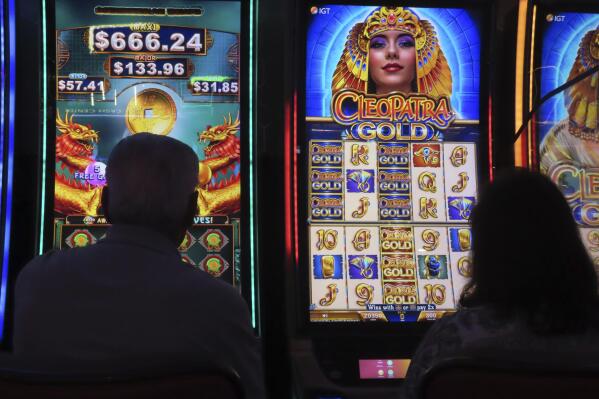
There are several categories of gambling games, each offering unique experiences and strategies. Casino games are perhaps the most well-known and include table games like roulette, blackjack, and slot machines. These games typically rely on a mix of luck and strategy, with some players employing various techniques to enhance their chances of winning.
Another popular type of gambling is sports betting, where individuals place bets on the outcomes of sporting events. This form of gambling requires a good understanding of the sport and its dynamics, as well as knowledge of betting odds. Lastly, lottery games offer a chance to win large sums of money with relatively low stakes, but the odds of winning are generally quite low compared to other forms of gambling.
Understanding Odds and Payouts
To make informed decisions in gambling, it’s essential to understand odds and how payouts work. Odds represent the likelihood of a particular outcome occurring and are often expressed in various formats, such as fractional, decimal, or moneyline. Familiarizing yourself with these formats can help you assess the potential risk versus reward when placing a bet.
Payouts, on the other hand, determine how much you stand to win if your bet is successful. Different games and betting formats offer varying payout structures, which can significantly influence your overall experience. Understanding how to read odds and calculate potential payouts is a vital skill for any gambler, as it helps in making smarter and more strategic betting choices.
Strategies for Winning
While no strategy guarantees a win in gambling, employing effective tactics can improve your chances. Bankroll management is one of the most critical strategies for beginners. This involves setting limits on how much money you are willing to spend and sticking to that amount. By managing your bankroll wisely, you can enjoy your gambling experience without the stress of financial loss.
Another key strategy is to learn the rules and strategies of the games you wish to play. Each game has its nuances, and understanding these can give you an edge. For instance, in poker, knowing when to bluff or fold can significantly impact your success. By investing time in learning and practice, you can develop your skills and enhance your overall gambling experience.
Ensuring a Safe Gambling Experience
When venturing into the world of gambling, it’s crucial to prioritize safety and responsible play. Choose reputable platforms that offer secure transactions and have a history of fair play. Additionally, setting personal limits on time and money can help maintain a healthy relationship with gambling and prevent potential issues.
It’s important to remember that gambling should be viewed as a form of entertainment rather than a way to make money. Understanding the risks involved and playing responsibly can lead to a more enjoyable experience. Always be aware of the signs of problem gambling and seek help if necessary. Awareness and education are key components in ensuring that your gambling journey remains positive and fun.